Webinar
When Perinatal Mental Illness becomes an emergency
What the Lindsay Clancy case can teach us about postpartum psychosis, risk and better care
With Dr Elsa du Toit
- Date: 21 Oct 2026
- Time: 18:30 – 19:30 PM (Online)
- Cost: R99
A tragedy has placed postpartum psychosis and maternal mental health in the global spotlight.
But beyond the headlines and courtroom debate lies a much more important question:
What can we learn from this tragedy and what can we do differently?
The Lindsay Clancy case is a devastating case that raises difficult questions about how we recognise risk, how we respond when a mother's mental state changes, how we understand postpartum psychosis and whether our current systems are equipped to respond when a situation becomes an emergency.
This workshop is not about blame.
It is not about sensationalising tragedy or deciding the legal question of what happened in one individual case.
This case asks from us to step back from the headlines and to ask what this tragedy can teach us about mothers, babies, mental illness and the care systems around them.
The lessons extend beyond postpartum psychosis. They challenge us to think differently about mental illness during pregnancy and after birth and about the vulnerabilities, warning signs and protective factors that surround every mother.
Why this conversation matters?
Postpartum psychosis is rare, but when it occurs it can develop rapidly and become a psychiatric and medical emergency.
The early signs may not always look like what people expect.
So the critical questions become:
- When does concern become risk?
- What should make us pause?
- What might we be missing?
- And what can we put in place before a crisis becomes a catastrophe?
What we will explore?
Using the Lindsay Clancy case as a starting point, we will explore the bigger lessons that matter for perinatal care.
What is postpartum psychosis ?
What the media do not tell us.
- How do we separate PPP from other conditions like OCD?
- Can we predict risk?
- Are we as healthcare providers failing mothers?
- What buffers can we build?
We cannot eliminate every risk. But we can build stronger systems around mothers and babies through early recognition, appropriate treatment, family involvement, continuity of care, clear escalation pathways and coordinated support.

This is NOT about assigning blame
The Lindsay Clancy case is heartbreaking.
We will approach it with the seriousness and sensitivity it deserves without sensationalism and without reducing a complex situation to “someone should have known.”
Instead, we will ask better questions:
- Could severe illness be recognised earlier?
- Could risk be identified more effectively?
- Could families be better equipped to recognise warning signs?
- Could our systems create stronger buffers around vulnerable mothers?
And ultimately:
How do we make sense of the uncertainties so that we can move to clear confident decisions that can improve care for mothers and babies?
Join my webinar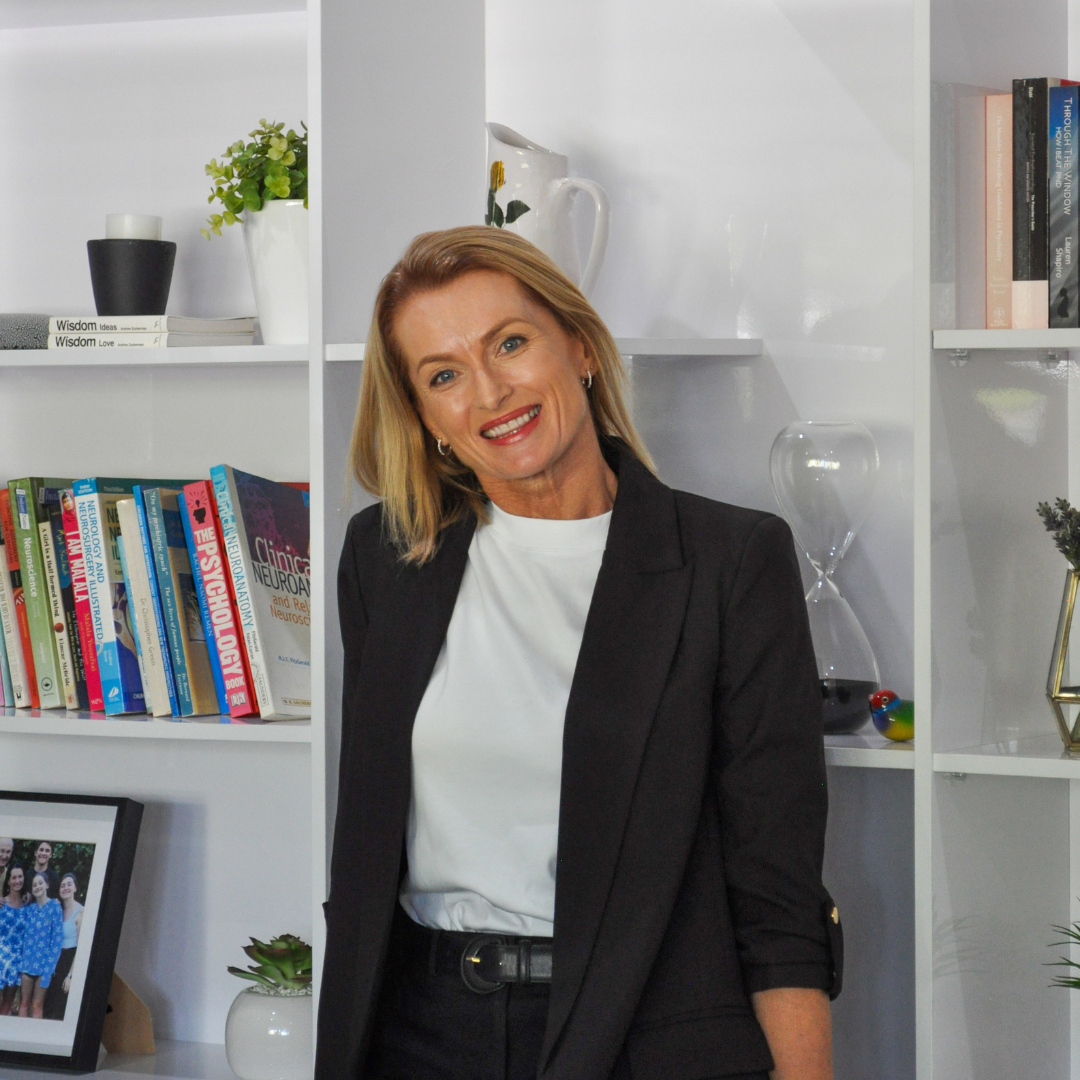

Who is this for?
For anyone involved in caring for women during pregnancy and after birth including doctors, nurses, midwives, psychologists, psychiatrists and other healthcare providers.
You will gain a stronger framework for recognising concerning changes, understanding severe perinatal mental illness, thinking about risk in context, knowing when to escalate and involving families appropriately.
For pregnant women, new mothers and those supporting them who want to understand more about severe perinatal mental illness, recognise concerning changes, know when to seek help and build stronger safety nets around mothers and babies.
Better knowledge can change what happens next.
The Lindsay Clancy Case: What Can We Learn About Postpartum Psychosis?
A practical and thought-provoking workshop for healthcare professionals, women, partners, families and anyone involved in supporting women through the perinatal period.
Come prepared to look beyond the headlines, challenge assumptions and deepen your understanding of postpartum psychosis and perinatal risk.
Most importantly, come to consider how better knowledge, better communication and better systems can help us take timely and appropriate action when mothers and babies are most vulnerable.
Because the lesson we take from tragedy should ultimately be a commitment to better care.
What my clients have to say!
”
I have finally stopped spiralling!
-2025 Attendee
”
I didn’t need more information. I needed structure. I needed someone to show me how to THINK through it.
-2025 Attendee
”
I found the content was expertly curated, highly informative & addressed the complexities of medication management during pregnancy and the postpartum. I especially appreciated the balance between evidence-based guidance and practical case examples which made the material both accessible and clinically relevant.
-2025 Attendee
Led by Dr. Elsa du Toit
25 years in medicine
15 years focused on perinatal psychiatry
Dr. du Toit brings a unique combination of deep clinical expertise and holistic thinking about maternal and family health.